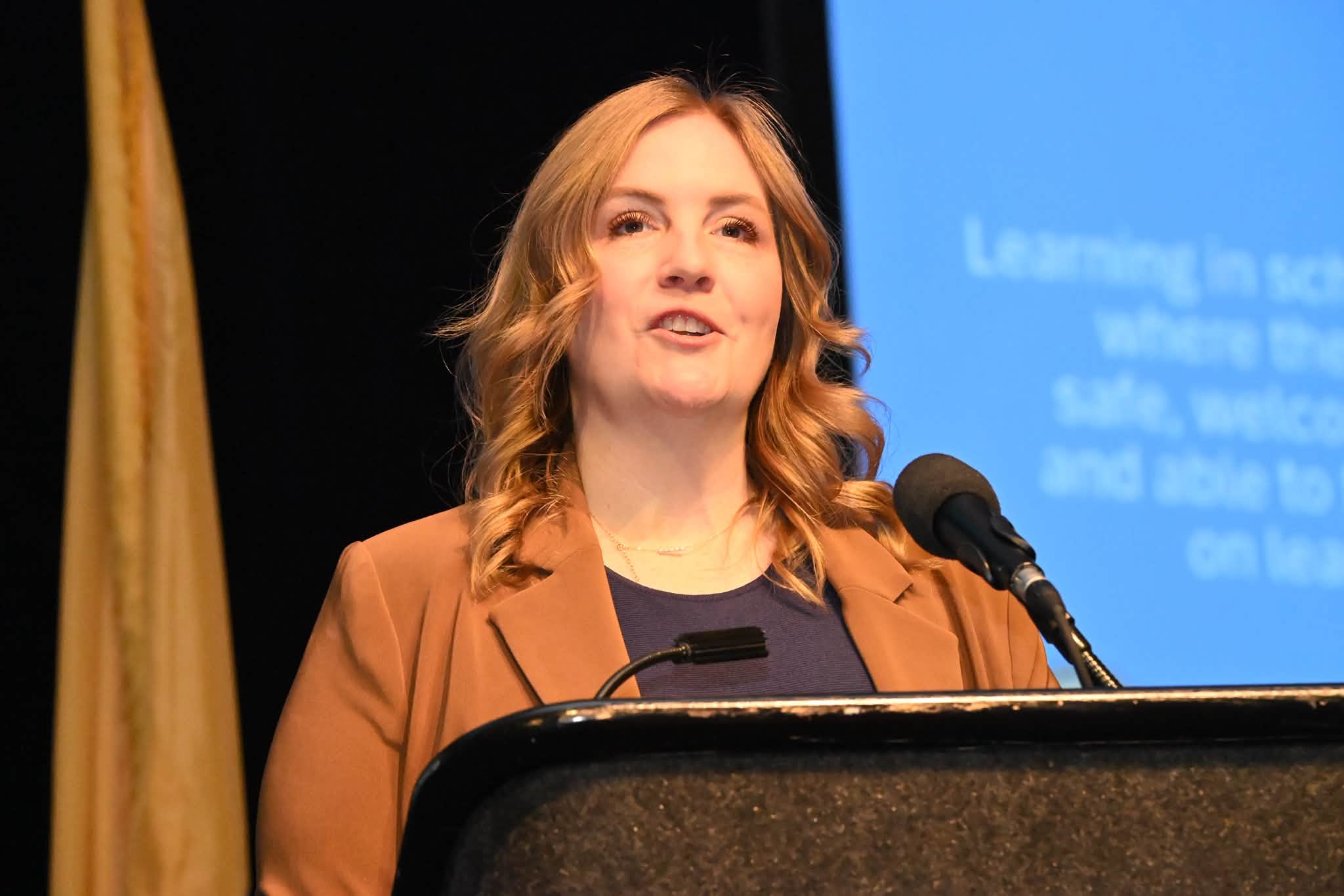
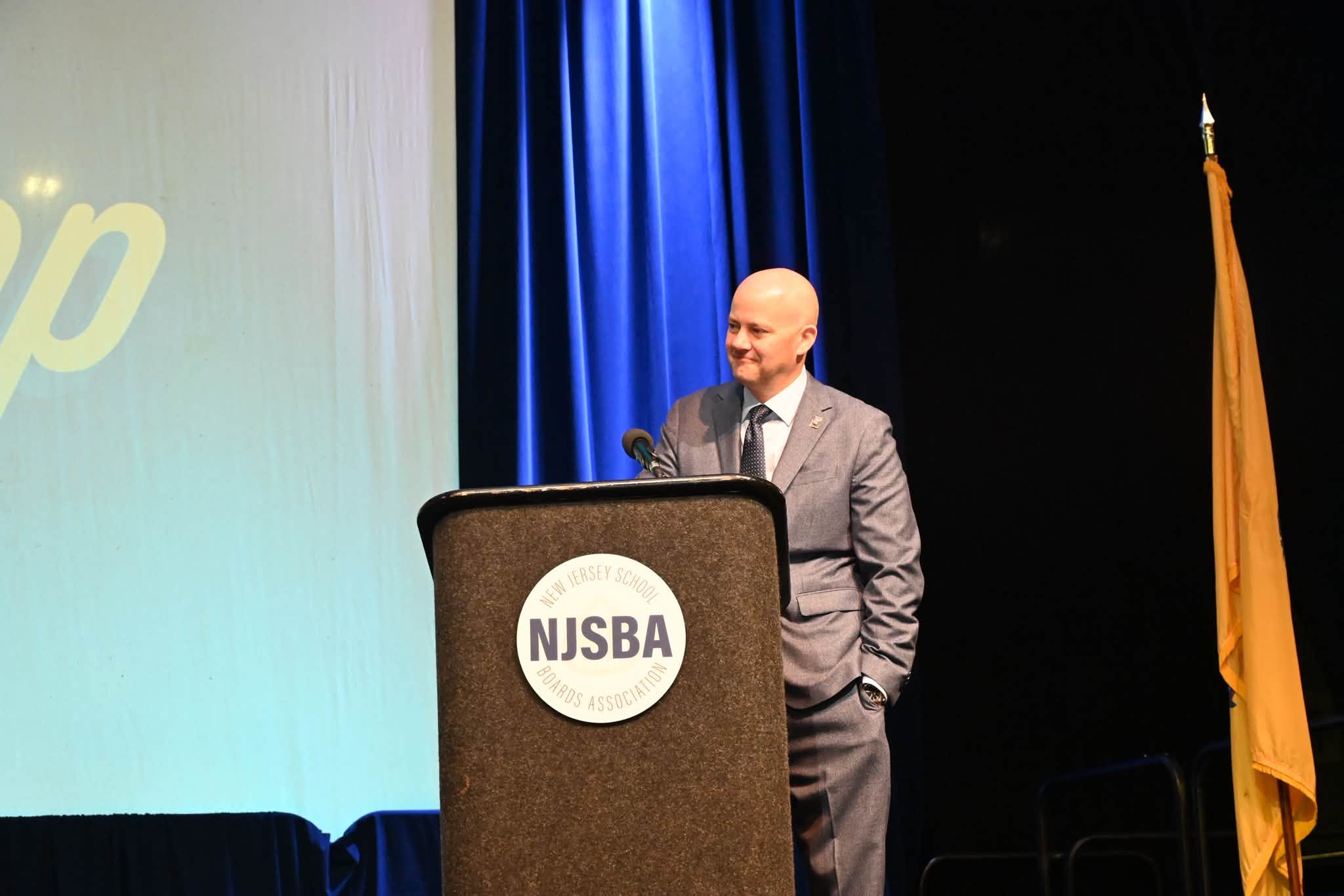
Timothy Shriver, educator, best-selling author, chairman of both the Collaborative for Academic, Social and Emotional Learning and the Special Olympics, addressed a packed room of thousands of education leaders, delivering a rousing and engaging keynote at Workshop 2026.
His core message focused on how social polarization stems not from our differences, but from how we treat one another when we differ.
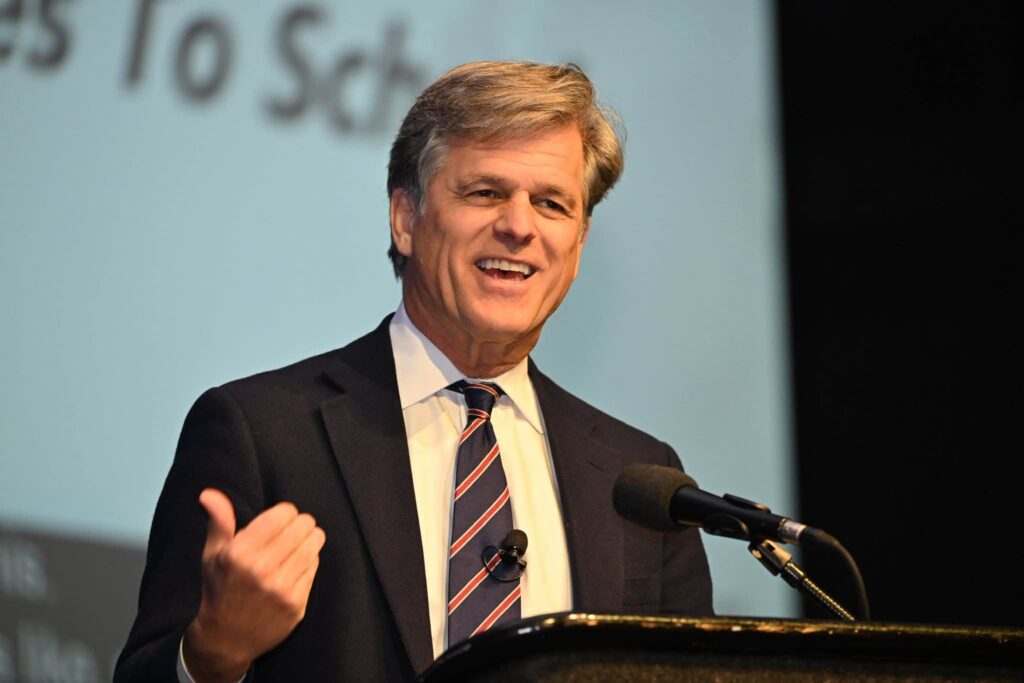
Shriver spoke about modern society normalizing a culture of contempt—described by words such as disdain, disgust, and treating others as worthless.
“There is a “Contempt Industrial Complex,” a $2 trillion industry that monetizes anger, with many news outlets prioritizing sensationalism and anger over information to pull us apart,” warned Shriver. We are all getting tricked, lied to and propagandized.
While social media offers a platform for diverse voices, it often rewards contempt and fuels fear. The impact on children can be extreme. Youth have experienced a dramatic increase in negative moods over the past few years. They now frequently absorb online hostility, getting “worked up” first thing in the morning before even getting to the breakfast table and before arriving at school.
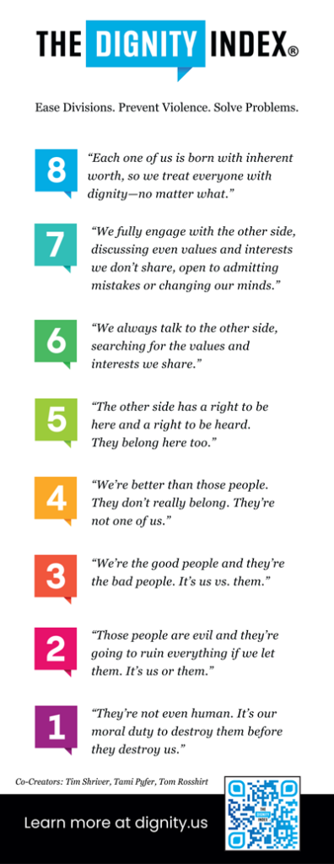
As a solution to the problem, Shriver introduced the participants to “The Dignity Index.” Formed by the organization UNITE in 2018, The Dignity Index (1–8 scale) acts as a mirror to score communication. It helps people recognize whether their language is dehumanizing others or building connection. The Organization UNITE (now known as Dignity.us). was launched as a nonprofit social impact initiative in 2018 by Shriver, Tami Pyfer, and Tom Rosshirt to ease societal division, counter toxic polarization, and prevent violence.
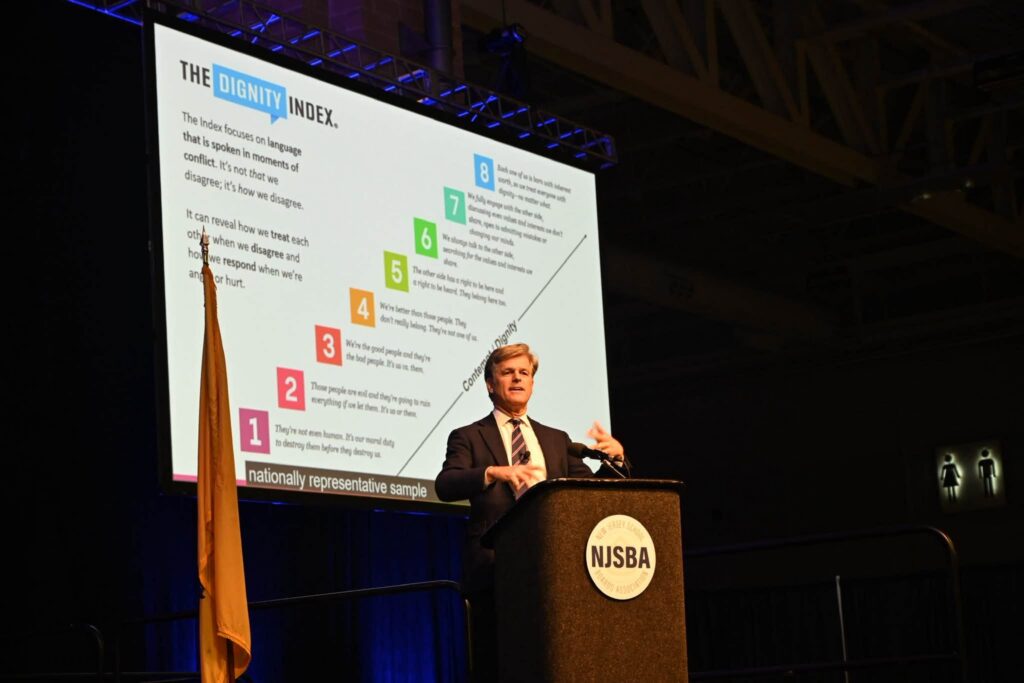
According to UNITE’s recent “Dignity Barometer” study, over 90% of Americans believe people deserve dignity, but a massive gap exists as most assume others are the problem, ignoring their own contemptuous behavior.
Shriver noted that contempt operates in disguise, but once revealed, is weakened. To counter it, dignity can be taught and practiced across communities.
School Boards can implement the index by setting intentions at the beginning of meetings with an official dignity announcement; handing out educational flyers and conversation guides; encouraging members to listen to opposition and community concerns with curiosity, humility, and love; and, creating an environment where the open expression of passionate beliefs is celebrated, but personal insult and degrading is not.
“Creating a culture of dignity does not require people to soften their political passions or agree for the sake of compromise but to express opinions passionately without hatred,” said Shriver.
After leading the participants through several interactive scenarios, Shriver concluded by offering information on a variety of free resources for boards of education via www.dignity.us, including:
- Dignity 101: An online introductory course.
- K-8 Scale Guides: Specialized versions tailored for grades K–3 and 4–8.
- Train-the-Trainer Programs: Two-day certification programs for school district staff.
- Public Material: Print and online books, webinars, and handouts featuring dignity phrases.
Highlights of the Timothy Schriver keynote can be found at T.Shriver Keynote 2026