
In today’s educational landscape, learning beyond the four walls of a classroom isn’t just an enhancement—it’s essential for advancing equity. Traditional models of schooling often focus solely on academic outputs without ensuring that students have access to opportunities that support their physical, mental and emotional well-being, which ultimately impact academic growth. Through the Outdoor Equity Initiative, led by Dr. Tristian Cox and Dr. Danielle Mastrogiovanni, the Plainfield Public School District is exploring ways that access to outdoor learning experiences can positively influence student achievement.
Why Outdoor Learning Matters
According to the article, “Stress and Learning in Pupils: Neuroscience Evidence and its Relevance for Teachers.” in the National Library of Medicine, when stress levels are too high or poorly timed, students’ attention, memory and executive functioning suffer, making it harder for them to focus, retain information, and adapt to challenges. Providing opportunities and strategies to manage stress helps create the optimal conditions for learning.
It has been proven that time in nature increases mental and emotional well-being through its powerful restorative effects. A study published in Nature Cities (by researchers at Stanford University’s Natural Capital Project and Harvard T.H. Chan School of Public Health) reveals that spending just 15 minutes a day in urban nature—whether in parks, urban forests, or even near street trees—can significantly boost mood, reduce stress and enhance alertness and focus. This theory is not new. An article in Environmental Health and Preventive Medicine explains that in Japan, forest therapy, also known as Shinrin-yoku, emerged as part of their national health program. This practice requires patients to intentionally spend time in nature as a means of health management, specifically for preventing and treating stress-related diseases.
Not only does exposure to nature help with stress reduction, but in doing so, it can also work to increase focus, spark creativity, and improve retention. A large-scale school-based study published in BMC Public Health found that students spending up to 2.3 hours outdoors per day had notably better academic performance across subjects like language and math. Outdoor learning also fosters critical thinking and problem-solving. In the UK’s Natural Connections project—reaching 40,000 students— 92 % of teachers reported improved engagement during outdoor lessons.
Overcoming Barriers to Outdoor Learning Access
Despite clear benefits, barriers impacting access to outdoor learning experiences persist. Lack of transportation, equipment or access to safe green spaces disproportionately affects communities of color. Additionally, students in urban communities may have a limited tradition of outdoor engagement, whereby a lack of prior exposure can lead to reduced confidence and interest in participating in nature-based programs without structured support. With so many competing initiatives, organizational challenges such as staff training, scheduling and funding limitations often restrict outdoor initiatives. These obstacles particularly impact marginalized student groups, which is why our district, which mostly serves students of color (Latinx 75.5%, African American 23%, other 1.18%, multiple races .34%), has decided to include access to outdoor learning as a strategic priority.
The Outdoor Equity Initiative: Where Learning Meets Opportunity
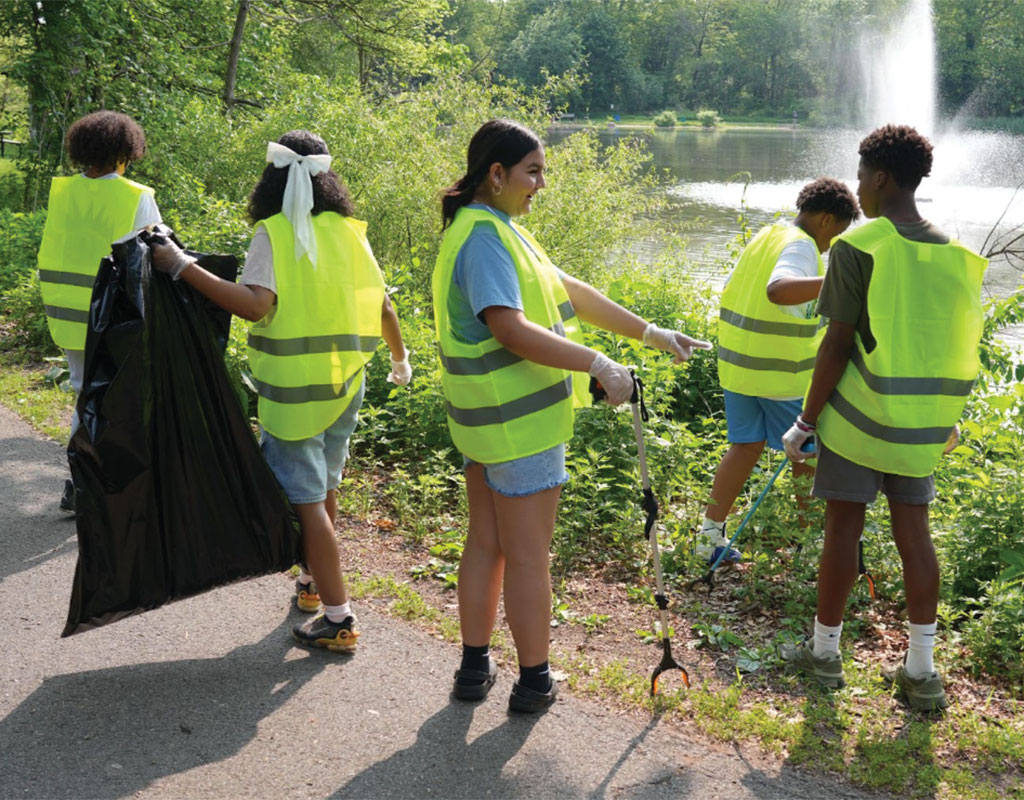
Under the leadership of Dr. Tristian Cox and Dr. Danielle Mastrogiovanni, the district’s initiative positions learning outside as central, not auxiliary, to the overall process of learning. Since its launch in 2025, the Outdoor Equity Initiative has already provided students with a diverse range of enriching experiences that combine recreation, science and social-emotional growth. Students have participated in horseback riding lessons at Watchung Stables, where they not only learned riding skills but also explored the science of horses and the emotional benefits of horsemanship. In partnership with local environmental groups, the district organized a community cleanup at Cedarbrook Pond, reinforcing civic responsibility while improving a valued public space. Students also engaged in hands-on science lessons at Cedarbrook Pond and Park, incorporating fishing and ecosystem studies to bring classroom concepts to life.
For high school students, the initiative has supported memorable and educational trips such as the PAAAS (Plainfield Academy of the Arts and Advanced Studies) senior class experience at Pocono Valley Resort, which featured hiking, camping, swimming, fishing, ziplining and stargazing—activities that build teamwork, resilience and environmental appreciation. Pinnacle Academy students participated in a specialized senior trip to Watchung Stables, blending horseback riding with equine science and emotional support through horsemanship. These early achievements illustrate the initiative’s power to connect physical activity, academic learning and social-emotional development in ways that resonate with students across grade levels.

For the 2025–26 school year, the Plainfield Public School District will deepen its commitment to the Outdoor Equity Initiative by identifying a dedicated teacher at each 6–12 school to serve as the site coordinator for outdoor learning programs. These coordinators will lead the launch of an Outdoor Club at each school, fostering consistent opportunities for students to engage with nature and physical activity throughout the year. Planned experiences include both outdoor and indoor rock climbing to build resilience and teamwork, freshwater fishing charters that integrate science and recreation, overnight camping excursions, and environmental service-learning projects that promote civic responsibility and environmental stewardship. By embedding these experiences into the life of each school, the initiative aims to expand access, build student confidence, and ensure that every learner benefits from the academic, social and emotional growth that comes from meaningful engagement with the outdoors.

Although quantitative data on the impacts of this initiative is still emerging, evidence of its positive effect on students has already been documented. Additionally, national and international studies suggest that programs such as these have the potential to positively impact students in multiple ways; therefore, it is expected that this initiative, as it pertains to the students in Plainfield, will yield similar results.
Putting Outdoor Learning into Action: From Vision to Practice
While it may seem daunting to add one more thing to your district’s plate, it is possible to start small, scale strategically and replicate this district’s success. To start, conduct a simple equity audit focused on identifying gaps in outdoor access across demographic sub-groups, schools and grade levels. For example, consider how often students are encouraged to take learning outside in conjunction with part of their regular content area activities. Do students go outside to read, write, conduct science experiments, observe wildlife, plant and tend to gardens, engage in physical education, create art or simply participate in group discussions? Do your schools offer students access to outdoor learning experiences through clubs or extracurricular activities?
Next, leaders should critically examine the barriers that may limit access to outdoor learning, and identify strategies to embed these experiences as a regular component of the curriculum. This begins with providing targeted professional development in outdoor pedagogy, safety protocols and inclusive facilitation to ensure all educators feel confident and equipped. Building strategic partnerships with local entities—such as parks departments, environmental nonprofits and community organizations—can further enrich programming through co-designed experiences. Equally important is advocating for board-approved funding and dedicated staff time to sustain and grow these efforts. With these foundational systems in place, the potential for expanding outdoor learning opportunities for students—both within and beyond the school community—becomes truly limitless.
Student Voices: Discovering the Outdoors, One Experience at a Time
Students at Plainfield Public Schools shared their reflections on just how transformative these moments could be.
Jordan S. shared, “I lived in Plainfield my entire life and never knew there was a horse farm just 15 minutes away. Now, I’d like to take my entire family horseback riding.”
For Wilson A., the experience was about facing fears: “I was terrified of horses but didn’t realize they could be gentle giants. I overcame my fear by riding a horse for the first time.”
Kylie S. reflected, “The trip to Pocono Valley Resort helped us bond as a senior class. A lot of kids from Plainfield don’t get the chance to do outdoor activities, so it was special. My favorite thing was ziplining. I want more outdoor experiences like that.”
Noted Benjamin C: “I learned how to use a fishing pole and caught my first fish ever! I didn’t know I could go fishing in Plainfield,”
And for Chelsea B., a service project reshaped her perspective: “At first, picking up trash didn’t sound exciting, but when I saw how clean the pond looked after, I was proud. It made me think about how our actions affect the environment every day.”
These moments—big and small—underscore the heart of the district’s outdoor equity initiative: opening doors to experiences that not only teach skills, but also build confidence, community, and a lifelong appreciation for the natural world.
Equitable Access, Lasting Impact
Outdoor learning is far more than a “nice-to-have” enrichment—it is a powerful, research-backed strategy for advancing student well-being, academic performance and educational equity. By intentionally moving learning beyond the four walls of the classroom, districts can create conditions that reduce stress, spark curiosity, and foster a sense of belonging for every student. The Outdoor Equity Initiative in Plainfield stands as a compelling, replicable model of how structured, equitable access to nature-based experiences can transform outcomes for students across grade levels and backgrounds.
From building resilience on a ropes course, to deepening scientific inquiry through hands-on environmental studies, to fostering teamwork during community service projects, outdoor learning connects academic content to real-world contexts that resonate with students’ lived experiences. For superintendents and school boards, the message is urgent: embracing outdoor learning not only helps every student reach their full potential, but also strengthens school systems by ensuring equitable access to experiences that prepare the next generation for success.
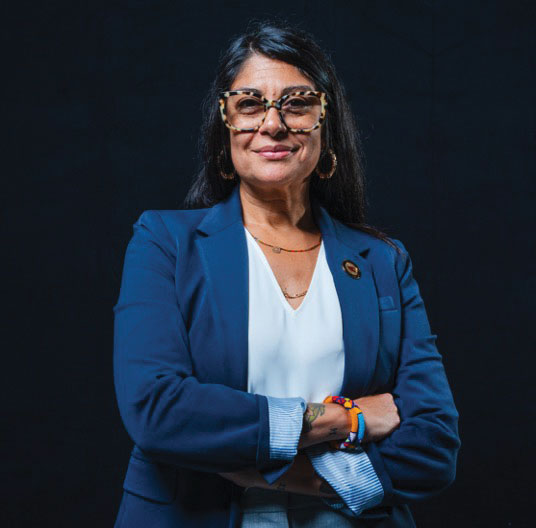
Dr. Danielle Mastrogiovanni, assistant superintendent/chief of equity and school improvement for Plainfield Public Schools, has served as both teacher and district leader. She is dedicated to educational equity and passionate about exploring the outdoors.
Dr. Tristian M. Cox, K-12 social studies supervisor for Plainfield Public Schools, thrives in educational leadership and is ardent about the outdoors, photographing bears in Alaska and fishing in remote backcountry waters.